
A foot that repeatedly feels numb may be signaling more than temporary pressure from sitting or tight shoes. Reduced sensation can develop from nerve compression, poor circulation, diabetes, injury, or another condition that affects how the foot detects pain and temperature. Prompt evaluation becomes especially important once numbness persists, spreads, or begins changing the way a person walks.
Numbness Persists for Days or Worsens over a Short Timeframe
Brief loss of feeling sometimes follows an awkward position that compresses a nerve, and normal sensation usually returns soon after pressure is removed. Persistent numbness deserves more attention because irritation, swelling, or damage may continue affecting the nerve pathway. Symptoms that spread from one toe into the forefoot or climb toward the ankle can indicate a progressing problem.
Rapid changes should not be monitored indefinitely at home. A podiatrist in Athens AL can compare sensation on both feet, test reflexes and muscle strength, and inspect the skin for injuries the patient may not feel. Early assessment may also reveal whether the issue begins in the foot, ankle, lower leg, or farther up the nervous system.
Sensation Loss Is Accompanied by Sharp, Burning, or Tingling Pain
Burning, pins-and-needles sensations, electric shocks, and sudden stabbing pain often point toward nerve irritation. Conditions such as tarsal tunnel syndrome, Morton’s neuroma, diabetic neuropathy, or pressure from swelling can produce mixed areas of numbness and pain. The exact path of the symptoms helps the examiner determine which nerve may be affected.
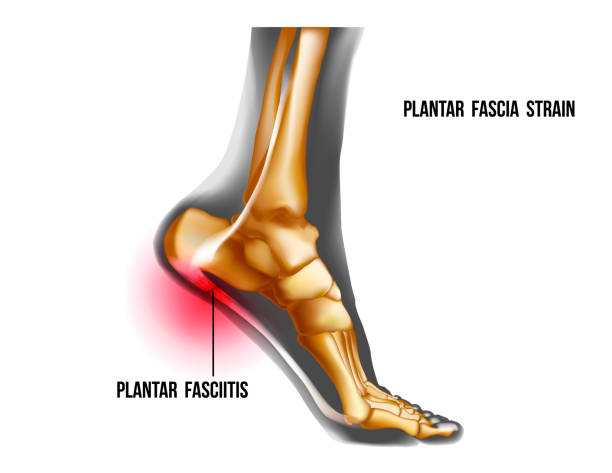
Plantar fasciitis usually causes localized heel tenderness rather than true sensory loss. However, patients sometimes assume any heel discomfort comes from the plantar fascia. A plantar fasciitis specialist can separate mechanical heel pain from nerve-related symptoms before treatment begins.
Numbness Affects Balance, Coordination, or Steady Walking Gait
Feet provide the brain with constant information about surface texture, pressure, and body position. Reduced feedback makes it harder to judge where the foot lands, especially on stairs, uneven ground, or dimly lit floors. Balance problems may become more noticeable when a person closes the eyes or stands on one leg.
Unsteady walking raises the risk of falls, ankle sprains, and repeated toe injuries. An Athens podiatrist may observe stride length, foot clearance, toe strength, and weight transfer during a gait assessment. Functional testing can show whether weakness, joint stiffness, or sensory loss contributes most to the instability.
Open Sores or Slow-healing Blisters Form Without Feeling Pain
Loss of protective sensation allows cuts, blisters, and pressure wounds to develop without warning. A patient may continue walking on damaged skin because pain no longer signals the need to stop. Continued pressure can deepen a small sore and increase the chance of infection.
Warning signs that require timely care include:
- Drainage, odor, or spreading redness around a wound
- Darkened skin or tissue that appears black
- Swelling that increases instead of settling
- A blister that remains open for several days
- Fever or chills alongside a foot injury
Daily foot checks matter for anyone with numbness, particularly those with diabetes or circulation problems. Professional wound care may involve pressure relief, cleaning, infection management, and footwear changes.
Symptoms Appear Alongside Foot Discoloration or Skin Temperature Changes
Color and temperature changes can suggest that blood flow is not reaching the foot normally. Pale, blue, purple, or unusually red skin may accompany circulation problems, while one foot feeling much colder than the other deserves prompt assessment. Warmth with redness and swelling may instead point toward inflammation or infection.
Circulatory concerns become more urgent when numbness appears suddenly or combines with severe pain. A podiatrist may check pulses, capillary refill, skin condition, and swelling before recommending vascular testing or another referral. Fast action can protect tissue when reduced blood supply is involved.
Loss of Feeling Worsens Under Weight-bearing or Exertion
Activity-related numbness may develop when footwear compresses a nerve, swelling narrows a passageway, or foot alignment increases pressure during movement. Symptoms that appear after a set distance can help identify the trigger. Rest may temporarily restore sensation, but repeated recurrence suggests that the mechanical cause remains.
Shoe width, arch support, lacing pressure, and toe-box shape all affect nerve space. A plantar fasciitis doctor may also check whether heel pain has caused an altered gait that overloads another part of the foot. Movement testing provides more useful information than examining the foot only at rest.
Existing Diabetes or Neuropathy Worsens Foot Sensory Loss
Diabetes can damage peripheral nerves and reduce circulation, making new numbness especially important. Gradual sensory loss may begin in the toes and move upward, often affecting both feet in a similar pattern. Poor glucose control, kidney disease, vitamin deficiencies, and certain medications may increase the problem.
Regular podiatric exams help detect changes before an unnoticed wound or balance issue develops. The Foot Clinic can evaluate numbness through sensory testing, circulation checks, gait observation, footwear review, and skin inspection, helping patients understand whether nerve compression, diabetes, mechanical pressure, or another foot condition may be responsible.


