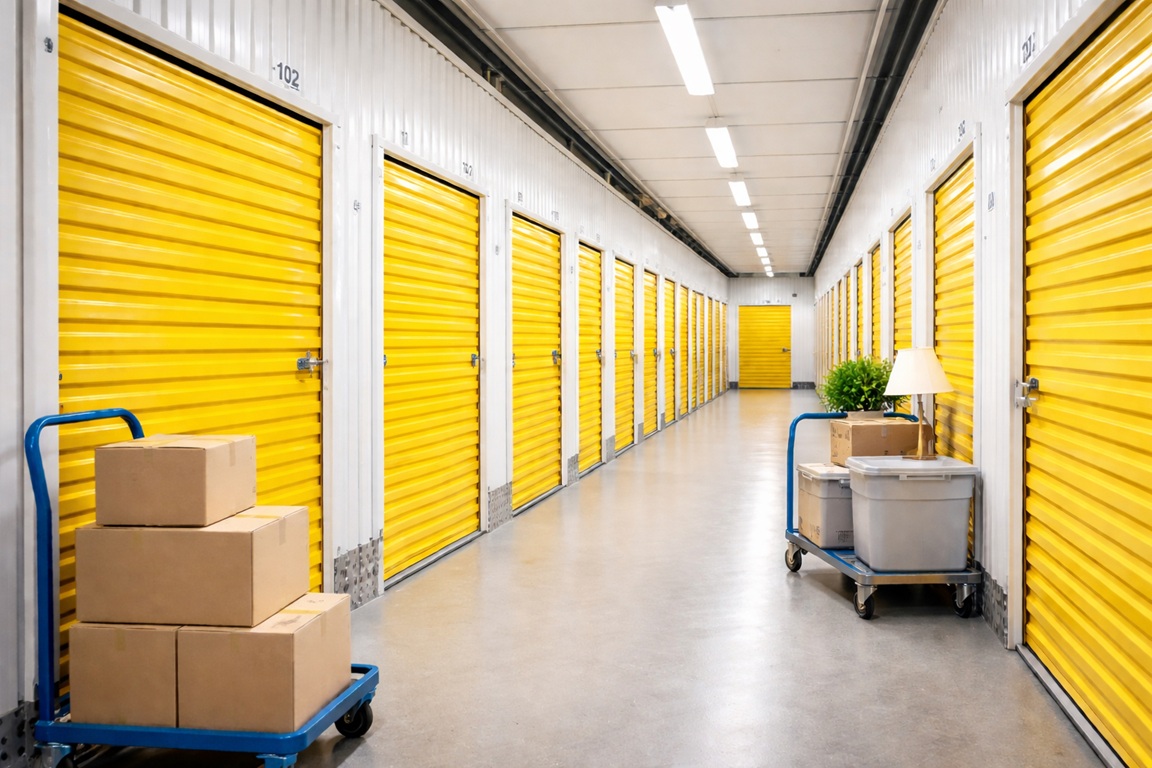
Poor packing can turn a clean storage space into a place where boxes collapse, furniture gets scratched, and fragile items break under pressure. Careful preparation matters because damage often develops slowly after belongings have been stacked and left alone. Simple choices involving containers, wrapping, weight, airflow, and access can make storage units much safer for long-term use.
Why Weak or Worn Boxes Create Problems Fast
Reused cartons often look strong enough until several heavier boxes sit on top of them for weeks. Soft corners, torn seams, old tape, and moisture stains reduce the box’s ability to hold its shape under pressure. Sturdy corrugated cartons work for books, dishes, records, tools, and other dense belongings because they resist crushing more effectively.
Labeling each carton with its contents and handling needs prevents movers from placing dense loads over fragile property during later rearranging. Boxes should also match the weight of what goes inside them. Oversized cartons filled with heavy objects become difficult to lift and may split along the bottom while being moved. Reinforced tape across the base helps, but no amount of tape can make damaged cardboard behave like a new container.
Overpacking Can Damage Both the Box and Its Contents
Packing a carton beyond its intended capacity puts constant outward pressure on the walls and seams. Bulging sides make boxes harder to stack evenly, while forced lids can press directly against glassware, electronics, or decorative pieces inside. Overfilled containers also create awkward lifting angles that increase the chance of dropping them.
Empty space causes a different problem because contents can shift every time the box moves. Cushioning paper, towels, or suitable padding should fill open gaps without squeezing fragile items. Balanced packing keeps the carton square and helps distribute pressure more evenly.
Heavy Items Belong Low, Not Wherever They Fit
Dense containers should form the lower part of a stack, with lighter boxes placed above them. Books, cookware, tools, and files can crush clothing, decorations, lampshades, or partially filled cartons if they are stored too high. Weight should remain centered rather than leaning toward one edge of the stack.
Lighter belongings can use upper levels without placing unnecessary pressure on what sits below. Shelving is useful for separating categories and taking weight off weaker containers. Uneven piles should be rebuilt before move-in is finished because a slight lean can become much worse as cardboard settles.
Plastic Wrapping Can Trap Moisture Around Furniture
Plastic film protects against dust and surface contact, but wrapping furniture tightly for months can trap moisture that was already present. Upholstery, wood, leather, and mattresses may develop odors, staining, or surface changes if they were not completely dry before being sealed.
Breathable moving blankets or fabric covers are often better for items that need air circulation. Damp belongings should never enter storage units because controlled indoor conditions cannot remove moisture trapped deep inside cushions or fabric. Climate controlled storage may reduce large temperature and humidity swings, yet proper drying and wrapping still matter.
Furniture Needs Protection From Pressure and Scratches
Furniture should not automatically become a shelf just because its top looks flat. Heavy cartons can bow tabletops, dent upholstered seats, weaken cabinet joints, or leave marks in soft finishes after months of pressure. Protective blankets help prevent rubbing, but they do not increase the load-bearing strength of the piece.
Mattresses need similar care because stacked furniture or boxes can compress internal materials and leave lasting impressions. Electronics should remain in supportive packaging with cords removed or secured so plugs do not scratch nearby surfaces. Glass panels, mirrors, and framed artwork need padded edges and upright placement where nothing heavy can fall against them.
Blocking the Aisle Makes Future Damage More Likely
Leaving no walking path may save a little floor space at first, but it creates problems whenever someone needs an item from the back. Renters may have to drag furniture, pull boxes from unstable stacks, or climb over belongings just to reach one container.
Clear space near the entrance gives renters room to set down boxes before shifting items, reducing movement and impacts. Aisles should stay wide enough for safe movement and basic inspection. Frequently used belongings belong near the entrance, while long-term items can sit farther back. Tall stacks also need enough room around them so renters can reach higher boxes without knocking into neighboring piles.
A Storage Plan Should Include Future Checkups
Unit layouts should make it possible to inspect cartons, furniture covers, labels, and shelving over time. Customers searching for storage units near me should avoid packing so tightly that warning signs such as crushed corners, moisture marks, or shifting stacks remain hidden.
Regular visits give renters a chance to adjust weight, replace weak boxes, and confirm that delicate belongings still have proper support. Storage Partner has storage units for household goods, furniture, records, seasonal property, and items that may benefit from climate controlled storage. They can compare available sizes and features, then organize the selected space with stronger containers, sensible weight placement, breathable coverings, and enough access room to reduce avoidable packing damage.