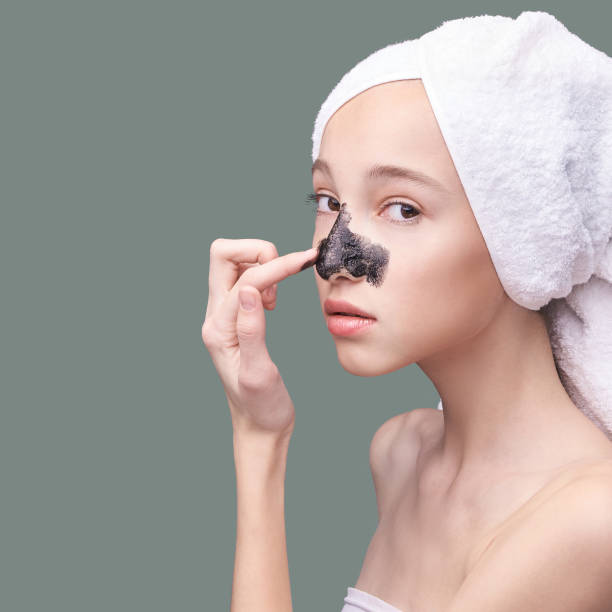
One of the most troublesome and persistent skin issues is blackheads. They appear to settle on your nose, chin, forehead, and even chest or back and show no indications of going away, although not being quite whiteheads or pimples. Even though they are small, they can be very stubborn and challenging to get rid of entirely. For many people, blackheads are more than just a cosmetic problem; they are a persistent struggle that undermines self-esteem and makes any skincare regimen more frustrating.
Knowing what blackheads are is crucial to knowing how to treat them effectively. In contrast to normal pimples, which are inflammatory or pus-filled, blackheads are basically open pores that are clogged with debris, oil (sebum), and dead skin cells. Oxidation, not filth, is the cause of their black appearance. The stored substance darkens as it comes into contact with air. Their unique hue and name come from this oxidation process. Additionally, they can appear practically anywhere the skin produces extra oil, though they are most frequently seen on the nose.
Blackheads are particularly challenging due to their propensity to recur. They frequently resurface even after extraction or a thorough cleansing since the underlying problem—excess oil, unexfoliated skin, or enlarged pores—hasn’t been resolved. Because of this, the objective is not only to get rid of blackheads but also to make the skin more conducive to their formation.
Beginning with a mild yet regular washing regimen is one of the best ways to deal with blackheads. The issue can be made worse by overcleaning or using abrasive scrubs, which can irritate the skin and cause it to create more oil. It is crucial to use a cleanser that is balanced and appropriate for your skin type. Salicylic acid, an oil-soluble beta hydroxy acid that deeply penetrates pores to dissolve the debris that causes blackheads, is frequently suggested in gel-based cleansers. Salicylic acid is perfect for long-term use since it acts gradually and gently, unlike abrasive cleaners.
Any anti-blackhead strategy must include exfoliation, but it must be used carefully. Use chemical exfoliants with substances like lactic acid, glycolic acid, or the previously mentioned salicylic acid instead of harsh physical scrubbing that can leave tiny tears in the skin. These components aid in releasing the connections that hold dead skin cells together, making it easier for them to shed. Frequent exfoliation, around two to three times per week, can greatly lessen the accumulation that causes clogged pores.
Clay masks are another tried-and-true strategy for treating blackheads. Clay is a fantastic choice for people with oily or mixed skin types because of its inherent capacity to absorb oil and pollutants from the skin. A good clay mask can reduce the appearance of pores, remove excess sebum, and leave the skin feeling cleaner and smoother when done once or twice a week. Two forms of clay that are frequently found in skincare products and are particularly good at detoxifying the skin are bentonite and kaolin.
For similar reasons, charcoal masks have become more and more popular than clay masks. Activated charcoal helps remove debris from pores by acting as a magnet for oil and debris. Even though they can be very fulfilling to use, peel-off versions should be avoided as they may irritate the skin or weaken its protective layer if applied frequently. Gentle charcoal cleansers or rinse-off masks may be safer and just as efficient substitutes.
Vitamin A-derived retinoid has long been a dermatologist’s secret weapon. In addition to reducing wrinkles and increasing the production of collagen, they also aid in controlling cell turnover and preventing the accumulation that leads to blackheads. Although they could take a few weeks to have apparent effects, over-the-counter alternatives like retinol or adapalene can be useful. When used regularly and gradually, starting a few times a week and increasing as the skin develops tolerance, they are most effective. Under a dermatologist’s supervision, prescription-strength retinoids may be required for more recalcitrant blackheads.
Especially for people with oily skin, hydration is frequently neglected while treating blackheads. It’s a common misperception that adding moisture can exacerbate oily skin, although this is frequently not the case. In fact, skin may create extra oil to make up for dehydration. Using moisturizers that are lightweight and non-comedogenic is essential for preserving equilibrium. Look for products that have hydrating chemicals that don’t clog pores, like as glycerin, niacinamide, or hyaluronic acid. These ingredients can also assist to enhance the texture of the face over time.
Steaming is another all-natural but incredibly successful therapy technique. By opening up the pores, facial steaming facilitates extraction by releasing internal accumulation. Better results can be obtained by merely washing the skin or by using a mild comedone extractor after steaming. However, because forceful squeezing can harm the skin and cause inflammation or scarring, extractions should be done delicately and infrequently. It’s advisable to let a professional perform extractions during a facial if you’re not sure.
Even though they might not work as quickly as medical treatments, home remedies can still be very helpful if taken on a regular basis. For instance, the antibacterial and anti-inflammatory qualities of a honey and cinnamon blend are frequently commended. When used as a mask once or twice a week, it can calm the skin and lessen the development of blackheads. In the same way, green tea, which is well-known for its antioxidants, can be brewed and applied as a toner to revitalize the skin and lessen oil production.
Clearer skin can result from even little lifestyle adjustments. Dirt and oil can be kept off the skin by washing pillowcases frequently, avoiding touching the face with dirty hands, and keeping hair products away from the forehead. Additionally, the clarity of your skin may be surprisingly affected by diet, particularly by cutting less on processed foods and sweets. A proper nutritional balance promotes improved skin function and repair, even though diet alone may not be the cause of blackheads.
Professional treatments might provide extra assistance for people who are dealing with recurrent blackheads or who desire more immediate results. Deeper layers of the skin can be targeted by chemical peels, microdermabrasion, or laser therapy to eliminate debris that topical solutions might not be able to reach completely. These treatments are customized to your skin type and concern and are usually performed in a dermatologist’s clinic. Although they are more expensive, when used in conjunction with a more comprehensive skincare regimen, they can also produce quicker and more durable benefits.
In the end, achieving blackhead-free skin requires patience, constant care, and a number of healthy habits rather than a single magic remedy. It’s natural to feel tempted to scrub, pluck, or over-treat the skin, but these practices frequently cause more harm than good. In the long term, a mild, multi-layered strategy that incorporates cleansing, exfoliation, hydration, and sporadic focused treatments will always be more successful and long-lasting.
It’s also critical to keep in mind that getting some blackheads is rather common. They don’t imply that you have sick or unclean skin. The majority of people actually experience them at some point in their lives. Reducing the quantity of blackheads, lessening their visibility, and maintaining the skin’s equilibrium and health are the objectives, not perfection.
Over time, skin is transformed by consistency. Results come from consistent use, whether you’re using a retinoid prescribed by a physician, a DIY green tea toner, or a drugstore salicylic acid cleaner. Don’t expect instant results from your skincare regimen; instead, give it time to work. Skin regenerates slowly, and with continued dedication, even minor changes can grow into more significant ones.
Say goodbye to blackheads with knowledge, strategy, and care rather than with force or frustration. You may restore your confidence and have clearer, smoother skin without the struggle if you figure out what works for your skin and follow a straightforward yet efficient routine.