
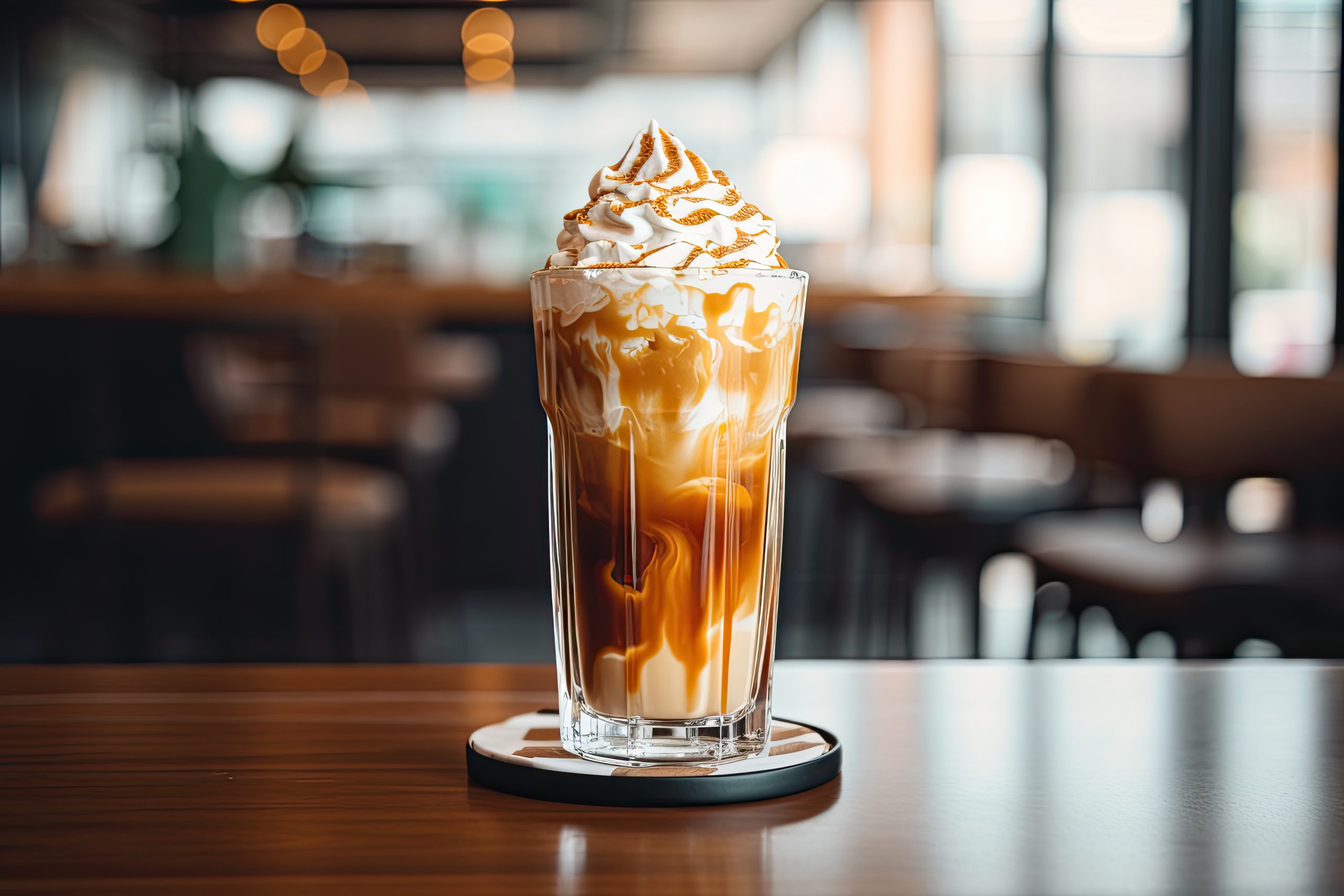
Many people have a particular place in their hearts for cold coffee. More than just a drink, it’s a mood enhancer, a refreshing partner on a hot day, and the ideal balance of coziness and vigor. The simplicity and adaptability of cold coffee are what make it so appealing. There is a variation that suits your tastes, whether you prefer it strong or sweet, rich and creamy, or light and frothy. Not only is it simple to make at home, but it’s also a rewarding process that you can refine and adjust over time.
Your passion for coffee itself is the foundation of the cold coffee trip. Making coffee into a cold treat only adds another layer to the experience, flavor, and aroma of drinking coffee. It may be served with ice cream, chocolate syrup, whipped cream, or decorative layers in cafes. At home, however, it can be as simple or as elaborate as you like. Understanding the proper ratios and utilizing high-quality components that enhance flavor depth are the true secrets.
You don’t need any pricey equipment to prepare cold coffee at home. A blender, a few spoons of instant coffee, sugar, cold milk, and ice are the basic ingredients that most people begin with. Decoction from ground coffee or cold brew concentrate can be used in place of instant coffee for people who like a stronger brew. The type of coffee you use affects how rich the flavor is, but instant coffee is frequently chosen because it’s convenient and blends easily.
There is a distinct difference when the milk is chilled prior. It keeps the coffee from getting watery after blending with ice if the milk is already chilled. The rich, creamy texture that makes café-style cold coffee so alluring is preserved as a result. When it comes to creaminess, full-fat milk produces the best results, but if you prefer a lighter version, toned or even plant-based milks like almond or oat milk also work well.
The procedure is straightforward and healing. In a splash of warm water, add enough sugar and coffee powder to dissolve them both. Because undissolved coffee powder can leave a grainy texture, this step is crucial. After dissolving, this concentrate is combined with cold milk and a few ice cubes in a blender. Blend the mixture until it’s smooth and foamy. One of the most cherished aspects of a nice glass of cold coffee is the light foam on top. It adds richness, airiness, and refreshment to every drink.
After mastering the base, you can begin experimenting with different versions. Your coffee tastes a little more decadent when chocolate syrup is added since it gives it a mocha-like flavor. It becomes a treat in a glass when a scoop of chocolate or vanilla ice cream is added. A café-style presentation can be achieved by drizzling syrup around the glass’s sides before adding coffee. A splash of vanilla extract or a sprinkle of cinnamon might add complexity and warmth to the drink if you’re going for a more elegant interpretation.
A little texture, like tiny ice particles or a slushy consistency, is what some people like in their cold coffee. Use crushed ice or blend the ice for a shorter period of time to accomplish that. Some people may prefer it extremely creamy and smooth, in which case mixing for a little longer is beneficial. Reducing the milk or adding a small amount of cream will also change the thickness. There is only a basis that you can alter at will; there is no set recipe.
Another area where you can make changes is sweetness, which is a personal preference. The traditional option is sugar, but condensed milk can simultaneously offer sweetness and richness. You may use natural sweeteners like honey, maple syrup, or even dates for a healthier alternative. Some people completely omit sugar, letting the flavors or milk speak for themselves. It all comes down to customizing the drink to your tastes.
Cold coffee is also a great base for other inventive cocktails. For an added touch of luxury, you can garnish it with whipped cream and a dusting of cinnamon or chocolate. Pouring a shot of espresso over ice and mixing it with cooled milk can intensify the flavor and add a snappy bitterness that many coffee drinkers like. To keep your coffee from diluting as it melts, you may also freeze brewed coffee in ice cube trays and use those in place of ordinary ice.
The appeal of brewing cold coffee at home lies not only in its flavor but also in its texture. Blending, pouring, and garnishing become a meditative routine, particularly on languid weekends or summer afternoons. Even if it’s just a few minutes, it’s a time you set apart for yourself. Additionally, it might become a little celebration if you share it with a friend, sibling, or significant other.
Many people eventually begin creating their own customs around cold coffee. Some people enjoy adding flavored syrups, such as caramel or hazelnut. Others try layering, pouring milk first, then coffee to create a gradient effect, and finally slowly stirring before drinking. The pleasure is infused with the presentation. Whether it’s a tall glass, a mason jar, or even a steel tumbler, every container adds a unique flavor to the coffee. The experience can be further enhanced by adding a paper straw, a cinnamon stick, or a dusting of grated chocolate.
It is simple to modify cold coffee for people who prefer lactose-free or vegan varieties. Oat milk adds creaminess, soy milk creates a neutral base that goes well with coffee, and almond milk adds a mild, nutty flavor. Another option is coconut milk, which can add a tropical touch while being less common. These plant-based milks preserve the essential components of the beverage while creating additional flavor options.
Cold coffee isn’t limited to summertime consumption. Although it’s most popular in the hot months, many people prefer it all year round as a dessert-like treat or as a quick energy boost. It’s more about refreshment than intensity, unlike hot coffee. For this reason, even people who don’t often drink coffee find it appealing. It is more widely available due to its mildness, particularly when combined with milk and sweets.
The association of cold coffee with nostalgia is another aspect of it. Many people associate it with roadside cafés, college canteens, or memorable family times. It conveys a feeling of ease and happiness. Creating it at home evokes those basic joys. Even if it’s just a modest glass of coffee, it feels like a triumph when you get it just right—creamy, smooth, and balanced.
Recipes for cold coffee have become increasingly popular in recent years, partly due to social media. New variations, presentation concepts, or popular flavors—like dalgona coffee, which went viral online—are frequently featured in reels and short videos. However, some still prefer the traditional cold coffee, which is made with simply milk, coffee, sugar, and ice. It is simple, dependable, and incredibly flexible.
Despite the vastness of the worldwide coffee culture, Indian-style cold coffee proudly stands its own. Indian cold coffee is typically creamier and sweeter than iced lattes or cold brews provided overseas. Its indulgence is part of its allure; it’s like coffee meets milkshake. It provides a familiar and fulfilling comfort. You only need a few ingredients, a blender, and the desire for something cold and delectable to enjoy it—no sophisticated equipment or barista expertise is required.
It is ultimately up to you to prepare cold coffee. It can be a slow treat or a quick fix. It might be rich and opulent or light and healthful. It might convey your own style, your preferred accessories, or even your attitude. As long as it makes you happy, there is no wrong method to make it.
So get your blender, get your ingredients together, and make yourself a tall glass of cold coffee the next time you’re craving something cool. One drink at a time, let it be your time to relax, be creative, and feel comfortable.


